Heute vor einem Monat mussten wir Molly gehen lassen. Fast 13 Jahre war
sie unsere Begleiterin, entzückend und lieblich vom ersten Tag an, den
sie bei uns war.-
A
month ago today we had to let go of Molly. She was our companion for
almost 13 years, delightful and lovely from the first day she was with
us.
30 Tage ohne sie sind 30 Tage ohne ihre kühle Schnauze,
mit der sie uns immer anstupste um uns mitzuteilen, dass sie dran war
mit Fressen, mit Rausgehen, mit Gestreichelt werden, mit Spielen. Es
sind 30 Tage ohne ihre wissenden Augen, mit denen sie uns anblickte,
wenn wir es gerade brauchten, um uns von kleinen und großen Ärgernissen
nicht überrollen zu lassen. 30 Tage ohne ihre unbändige Freude, wenn wir
wieder nach Hause kamen. Es sind 30 Tage, ohne ihre charmante und
vorwitzige Art, uns dazu zu bringen ihr im Haus hinterherzurennen um sie
zu fangen, was immer damit endete, dass sie aufs Bett sprang um sich in
einem Affentempo um sich selbst zu drehen bis hopps, sie wieder
runtersprang um das Fang-mich-doch Spiel weiterzuspielen. -
30 days without her is 30 days without her cool snout, with which
she always nudged us to let us know that it was her turn to eat, to go
out, to be petted, to play. It's been 30 days without her knowing eyes,
with which she looked at us when we needed it to avoid being overwhelmed
by small and larger annoyances. 30 days without her unbridled joy when
we got home. It's 30 days without her charming and cheeky way of getting
us to run around the house to catch her, which always ended with her
jumping onto the bed spinning around at breakneck speed until, hopps,
she again jumped down to continue playing the catch-me-if-you-can game.
Die letzten Monate ihres Lebens schaffte sie es nicht mehr aufs Bett. Ihr Tumor war so groß geworden, dass sie das Springen von sich aus einstellte. Wir wussten, dass damit auch eine Wende eingetreten war. Dass wir uns innerlich vorbereiten mussten, sie vielleicht nicht mehr lange um uns zu haben. Wir fühlten es, sprachen lange aber nicht darüber. Bis dann der Tumor sich auch ausbreitete, erste Stellen begannen sich zu öffnen. Sie tropfte und war immer beschäftigt, sich sauber zu halten, sie ließ uns nicht an ihre Wunden. Ansonsten blieb sie so, wie sie immer war, an unserer Seite, mit Appetit bis zum Schluss. Sie schien schmerzfrei zu sein, das schob die Entscheidung hinaus. Sie lief immer noch hinter den Katzen her, bellte, wenn die anderen Hunde bellten, zog sich aber tagsüber fast unmerklich mehr zurück um zu ruhen. Und sie trank große Mengen Wasser, oft ein Zeichen von Krankheit oder Schmerz. Ostern war dann die rote Linie erreicht. Die offenen Stellen begannen zu müffeln, das Tropfen wurde mehr. Wir wollten nicht, dass es zu dem Punkt kommt, wo Infektionen ihr das Leben schwer machten, Schmerzen unausweichlich waren und Aktivitäten fast nicht mehr möglich.
In the last months of her life she couldn't get on to the bed. Her tumor had grown so large that she stopped jumping on her own. We knew that this was also a turning point, that we had to prepare ourselves internally, that maybe we wouldn't have her around for much longer. We felt it, but didn't talk about it for some time. Until when the tumor spread, and the first spots began to open. She was dripping and always busy keeping herself clean, she wouldn't let us touch and treat her wounds. Otherwise she stayed the way she always was, at our side, with quite an appetite until the end. She appeared to be pain free, which put off the decision. She still ran after the cats, barked when the other dogs barked, but subtly withdrew more during the day to rest. At Easter the red line was reached. The open spots began to smell, the dripping increased. We didn't want it to get to the point where infections would make life even more difficult for her, when pain would be inevitable and activity almost impossible.
Die wenigen verbleibenden Tage bis zu dem Samstag, an dem die Tierärztin mit der Injektion kam, waren bitter-süß und zerrten an uns. Ich fragte mich immer wieder, ob es nicht doch zu früh sei, da sie so konsequent an unserer Seite blieb, immer neugierig war, was es zu Fressen gab, so als wollte sie uns sagen, keine Sorge, ich bleibe bei euch. Ich glaube, sie kannte uns gut, und fühlte, dass wir ein Problem hatten. Als der Samstag kam, war ich ziemlich aufgeweicht, versuchte so gut es ging, letzte Momente von Normalität für Molly herzustellen. Dirk, der wusste, dass er den Augenblick der Injektion, den letzten Blick aus ihren Augen, nicht aushalten würde können, ging auf einen anderweitig zehrenden Inselmarsch. Mit der Tierärztin hatte ich über meine Einschätzung gesprochen, dass Molly sich wahrscheinlich wehren würde, wenn sie mit der Spritze kam, so wie es früher tat, wenn sie geimpft werden sollte, und dass ich nicht wollte, dass sie am Schluss noch kämpfen müsse. Sie riet mir dazu, Molly eine Stunde bevor sie kommen würde, ein Beruhigungsmittel zu geben. Das war hilfreich, auch wenn mir das Herz dabei fast brach, Molly dabei zuzusehen, selbst gegen die Wirkung des Beruhigungsmittels angehen zu wollen, sobald es seine Wirkung entfaltete. Sie lief noch in den Garten, ein letztes mal Pipi machen, dann zum Tor, als hielte sie Ausschau nach Dirk oder den Hühnern, die auch gerade da waren. Dann suchte sie sich einen Platz mit wärmenden Sonnenstrahlen. Selbst dort blieb sie nicht. Ihre Beine gaben zwar nach, aber sie schaffte es noch ein letztes Mal bis unter den Tisch um mich anzusehen, um dann, als die Tierärztin kam, sogar noch einmal mit Schwanzwedeln auf sie zuzugehen.-
The
few days left until the Saturday when the vet came with the injection
were bittersweet and tugging at us. I kept wondering if it wasn't too
early after all, since she stayed so consistently by our side, always
curious about what was to eat, as if to tell us don't worry, I'll stay
with you. I think she knew us well and felt we had a problem. By the
time Saturday came I was quite softened, trying as best I could to
create last moments of normalility for Molly. Dirk, knowing he couldn't
stand the moment of the injection, the last glimpse out of her eyes,
went on an otherwise draining island trek. I had spoken to the vet about
my assessment that Molly would probably fight back if she came with the
shot, as she used to do if she was going to be vaccinated, and that I
didn't want her to end up fighting. She advised me to give Molly a
sedative an hour before she was due to come. That was helpful, although
it broke my heart to watch Molly try to counteract the effects of the
tranquilizer herself once it started to take effect. She ran into the
garden, peeing one last time, then to the gate, as if she were looking
out for Dirk or the chickens, who were also there at the time. Then she
looked for a place with warming rays of sunshine. Even there she did not
stay. Her legs gave out, but she made it under the table one last time
to look at me, and then when the vet came up to her again, tail
wagging.
An older photo... when she was looking for Dirk or the chicken....
Es ging dann ganz schnell. Wir entschieden, sie nicht höher zu lagern, ich hielt sie einfach sanft fest, mehr war nicht mehr nötig. Die Spritze und dann war es das auch schon. Kein Kampf, kein Zittern. Das Präparat wirkte sofort. Ich hatte dies zuvor bereits einmal miterlebt bei einem Hund von Paul und war darauf vorbereitet. So wie sie nach ihrem allerletzten Atemzug aussah, möchte ich annehmen, dass sie Frieden finden wird. Sie war schöner denn je, und strahlte Friedlichkeit aus, während nun bei mir alle Dämme brachen.-
Then
it happened very quickly. We decided not to store her higher, I just
held her gently, nothing more was needed. The syringe and that was it.
No struggle, no shaking. The preparation worked immediately. I had
witnessed this before with one of Paul's dogs and was prepared for it.
From the way she looked after her very last breath, I would like to
assume that she would find peace. She was more beautiful than ever, and
radiated peacefulness, while now all dams broke for me.
After her last breath...I was not sure if to show this picture, but the peacefulness had something comforting which in the end I wanted to share...
Ich hatte dafür gesorgt, dass Molly schnell unter den Bananen begraben würde, auch um Dirk zu ersparen, Molly tot zu sehen, er hatte sie so in Erinnerung behalten wollen, wie sie im Leben war. Selbst stark angeschlagen mit seinem Herzen, und nicht mehr gewöhnt weite Strecken zu laufen oder tiefe Löcher zu graben, hatte er sich bei seinem Marsch übernommen. Mit einer Flasche Wasser holte ich ihn ab und wir liefen dann im Schneckentempo gemeinsam nach Hause, was irgendwie stimmig war. Bin ich 2008 nach Simbas plötzlichem Tod aus dem Weinen und Trauern fast ein ganzes Jahr nicht herausgekommen, so war es jetzt mit Molly eine andere Art des Trauerns. Ein wenig stiller, ein wenig einsamer, aber auch ein wenig erwachsener, da wir vorbereitet waren.
I had made sure that Molly was quickly buried under the bananas, also to save Dirk from seeing Molly dead, he had wanted to remember her as she was in life.Despite his severely compromised heart condition, and no longer used to walking long distances or digging deep holes, he had exhausted himself on his march.I picked him up with a bottle of water and we walked home together at a snail's pace, which somehow made sense.In 2008, after Simba's sudden death, I couldn't get out of crying and mourning for almost a year, now it was a different kind of mourning with Molly.A little quieter, a little more lonely, but also a little more grown-up because we were prepared.
Dass
sie uns fehlt, braucht keine sonderliche Erwähnung. Vermissen tun wir
sie jeden Tag. Weniger die Katzen, die haben sich gleich nach Mollys Tod
angewöhnt, ihr Terrain in Beschlag zu nehmen, manchmal gleich bis ins
Haus, wo sie sich nachts einfach einen ruhigen, warmen Platz suchen. Wir
mögen das und lassen sie gewähren. Alleine werden wir nicht bleiben.
It goes without saying that we miss her.We miss her every day.Not
so the cats, they got into the habit of taking over their territory
immediately after Molly's death, sometimes right into the house, where
they simply looked for a quiet, warm place at night.We like that and let them have their way.We won't stay alone.
Wann immer ich in die Situation komme zu erklären, warum ich mich habe impfen lassen gegen Covid-19 oder was mich bewegt, wenn ich Infektionszahlen steigen sehe und damit auch die Todeszahlen, komme ich auf die Dokumentation der Charité, die ich vor ein paar Monaten mit Dirk gesehen habe. Sie hat neben den Bildern aus Nord-Italien, New York, Brasilien und Indien die tiefsten Spuren bei mir hinterlassen. Solche Bilder gibt es nicht in Mauritius, was manchmal, gerade wenn auch hier die Zahlen steigen, dazu führt, dass vergessen wird, wie der Alltag in den Krankenhäusern wirklich aussieht, für die Ärzte, die Pflegenden und ganz zu allererst die Menschen, die an Covid-19 erkrankt sind und ihre Familien. -
Whenever I get into the situation of explaining why I got vaccinated against Covid-19 or how I feel when I see the number of infections and thus the number of deaths rise, I come across the Charité documentation, which I saw a few months agowith Dirk.In addition to the images from North-Italy, New York, Brazil and India, this documentary left the deepest marks on me.Such images do not exist in Mauritius, which sometimes, especially when the numbers are increasing here, leads people to forgetting what everyday life really looks like in the hospitals, for the doctors, the nurses and, first and foremost, the people who are sick with Covid-19 and their families.
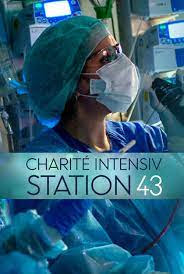
Das Team einer Intensivstation der Charité – Universitätsmedizin Berlin
hat dem Regisseur Carl Gierstorfer von Weihnachten bis Mitte März
Einblicke in ihren Arbeitsalltag und die Herausforderungen der
Intensivmedizin während der zweiten Pandemie-Welle gewährt. Auf der
Station werden Patientinnen und Patienten mit COVID-19
behandelt, die besonders schwer erkrankt sind – viele von ihnen wurden
aufgrund ihres schweren Krankheitsverlaufs aus anderen Kliniken an die
Charité verlegt. Die Doku-Serie „CHARITÉ INTENSIV: Station 43“ zeigt den
täglichen Einsatz des gesamten Stationsteams für das Leben jedes
einzelnen Patienten. Die vier jeweils 30-minütigen Kapitel sind jetzt in
der ARD-Mediathek zu sehen.
„Die Dokumentation zeigt
den lebensbedrohlichen Kern der Pandemie, mit dem wir seit mittlerweile
mehr als einem Jahr täglich konfrontiert sind. Viele Patientinnen und
Patienten können wir trotz aller Möglichkeiten der modernen
Intensivmedizin nicht retten. Der Film beschönigt dies nicht und zeigt
eindrucksvoll die Arbeit des Intensiv-Teams zwischen High-Tech Medizin
und tiefer Menschlichkeit“, sagt Prof. Dr. Kai-Uwe Eckardt, Direktor der Klinik für Nephrologie und Internistische Intensivmedizin sowie Koordinator der COVID-19 Intensivversorgung.
Als Level-1-Klinik steuert die Charité berlinweit die Belegung der
Intensivbetten und versorgt die schwersten Fälle. Insgesamt wurden seit
Beginn der Pandemie 2.846 Patientinnen und Patienten mit ID-19 stationär an der Charité behandelt, davon 1.387 teilweise oder
ausschließlich im Intensivbereich. Von den intensivmedizinisch betreuten
Patientinnen und Patienten sind 480 (35 Prozent) während ihres
stationären Aufenthaltes verstorben. „Wir befürchten, dass die dritte
Welle noch schlimmer wird, als wir es im Januar erlebt haben. Damals
waren wir bereits in der Nähe unserer Kapazitätsgrenze“, sagt Prof. Eckardt.
„Der Ausbau der Intensivversorgung erfordert erheblichen Einsatz,
Umorganisation und Personalverschiebungen innerhalb der gesamten
Charité. Ich bin optimistisch, dass alle Mitarbeiterinnen und
Mitarbeiter dafür erneut die nötige Flexibilität und Kraft aufbringen“,
erklärt Prof. Dr. Martin Kreis, Vorstand
Krankenversorgung der Charité. Er ergänzt: „Die Dokumentation zeigt aber
auch unsere Grenzen auf und sollte allen eine Warnung sein, die
Gefährlichkeit der Pandemie nicht zu unterschätzen. Die aktuelle
Infektionsdynamik muss dringend gebremst werden, um eine Überforderung
zu verhindern.“-
The team at an Intensive Care Unit at Charité - Universitätsmedizin Berlin gave director Carl Gierstorfer an insight into their everyday work and the challenges of intensive care medicine during the second wave of pandemics from Christmas to mid-March. Patients with COVID-19 who are particularly seriously ill are treated on the ward - many of them were transferred from other clinics to the Charité due to their serious illness. The documentary series "CHARITÉ INTENSIVE: Ward 43" shows the daily work of the entire ward team for the life of each individual patient. The four 30-minute episodes can now be seen in the ARD media library.
“The documentation shows the life-threatening core of the pandemic, which we have been confronted with every day for more than a year now. Despite all the possibilities of modern intensive care medicine, we cannot save many patients. The film does not gloss over this and impressively shows the work of the intensive team between high-tech medicine and deep humanity, ”says Prof. Dr. Kai-Uwe Eckardt, Director of the Clinic for Nephrology and Internal Intensive Care Medicine and Coordinator of COVID-19 Intensive Care.
As a Level 1 clinic, the Charité controls the occupancy of intensive care beds across Berlin and cares for the most severe cases. A total of 2,846 patients with ID-19 have been treated as in-patients at the Charité since the beginning of the pandemic, 1,387 of them partly or exclusively in the intensive care unit. Of the intensive care patients, 480 (35 percent) died during their inpatient stay. “We fear that the third wave will be even worse than we saw in January. At that time we were already close to our capacity limit, ”says Prof. Eckardt.
“The expansion of intensive care requires considerable effort, reorganization and personnel shifts within the entire Charité. I am optimistic that all employees will again have the flexibility and strength they need, ”explains Prof. Dr. Martin Kreis, Board Member for Health Care at Charité. He adds: “The documentation also shows our limits and should be a warning to everyone not to underestimate the dangers of the pandemic. The current infection dynamics must urgently be slowed down in order to prevent excessive demands. "
Schwere Verläufe bei Corona-Fällen in Berlin - Charité versorgt mehr als 100 Covid-19-Patienten auf Intensivstationen, Tagesspiegel 16.04.2021
Während die Zahl der Covid-19-Fälle in Berlins Krankenhäusern leicht
sinkt, müssen mehr Corona-Patienten mit High-Tech-Geräten beatmet
werden.
Doch Ärzte weisen darauf hin, dass die an dem Lungenleiden Erkrankten deutlich jünger sind als noch vergangenes Jahr -
und dass die Verläufe der Erkrankung oft schwerer seien. Während die
Zahl aller Corona-Patienten in Berliner Krankenhäusern, also auch der
auf Normalstationen, von Donnerstag zu Freitag leicht sank (von 740 auf
721 Patienten), bleibt der Anteil derjenigen, die invasiv beatmet werden
müssen, mit 260 Patienten hoch.
ECMO: High-Tech-Gerät ersetzt ausgefallene Organe
Neben der
Charité versorgen vor allem die ebenfalls landeseigenen
Vivantes-Krankenhäuser, die privat-betriebenen Helios-Kliniken und das
Unfallkrankenhauses in Berlin-Marzahn derzeit viele
Covid-19-Intensiv-Fälle
Nach Tagesspiegel-Informationen stieg die Zahl der sogenannten
"ECMO"-Patienten zuletzt: In Berlin werden derzeit 35 Patienten durch
eine ECMO beatmet, 28 davon in der Charité. Bei dieser "extrakorporalen
Membranoxygenierung" werden ausgefallene Organe lebensbedrohlich
Erkrankter temporär durch ein High-Tech-Gerät ersetzt. In Berlin gibt es
40 ECMO-Maschinen.
Die Zahl der Covid-19-Intensivfälle in Berlin ist zwar weitgehend
stabil - doch unter diesen aktuell 308 Patienten gibt es besonders viele
schwere Verläufe. So werden an der Charité derzeit 105
Covid-19-Patienten versorgt.
Zum ersten Mal in der dritten Welle
ist nun eine dreistellige Zahl an Betten auf Charité-Intensivstationen
mit Coronafällen belegt, von denen fast 95 invasiv beatmet werden
müssen.-
More Corona patients with serious conditions in Berlin - Charité cares for more than 100 Covid-19 patients in intensive care units, Tagesspiegel article from April 16, 2021
While the number of Covid-19 cases in Berlin's hospitals is falling slightly, more Corona patients have to be ventilated with high-tech devices.
But doctors point out that those suffering from the lung disease are significantly younger than last year - and that the course of the disease is often more severe. While the number of all Corona patients in Berlin hospitals, including those in normal wards, fell slightly from Thursday to Friday (from 740 to 721 patients), the proportion of those who have to be invasively ventilated remains high at 260 patients.
ECMO: high-tech device replaces failed organs
In addition to the Charité, the state-owned Vivantes hospitals, the privately operated Helios clinics and the Casualty Hospital in Berlin-Marzahn are currently supplying many Covid-19 intensive care cases
According to Tagesspiegel information, the number of so-called "ECMO" patients has recently increased: In Berlin, 35 patients are currently ventilated by an ECMO, 28 of them in the Charité. With this "extracorporeal membrane oxygenation" failed organs of life-threatening patients are temporarily replaced by a high-tech device. There are 40 ECMO machines in Berlin.
The number of Covid 19 intensive cases in Berlin is largely stable - but among these currently 308 patients, there are particularly many severe cases. For example, 105 Covid-19 patients are currently being cared for at the Charité.
For the first time in the third wave, a three-digit number of beds in Charité intensive care units is occupied with Corona cases, of which almost 95 have to be invasively ventilated.
Please find here an article, translated below, written by a friend of the documentary's director and himself a Science journalist covering frequently about pandemics.
Corona: Wir werden lange trauern müssen, von Kai Kupferschmidt 06.04.2021
Die
Dokuserie „Charité Intensiv: Station 43“ zeigt anhand der Arbeit auf
der Corona-Intensivstation in Berlin, wie viel Leid die Corona-Pandemie
ausgelöst hat. Und wie lang es dauern wird, sie zu verarbeiten.
Seit
Tagen begleiten mich nun einzelne Szenen aus der Dokuserie „Charité
Intensiv: Station 43“ von meinem Freund Carl Gierstorfer. Es sind
Menschen, die ich nie getroffen habe, an die ich immer wieder denken
muss:
Marco Wegner, der aus dem künstlichen Koma aufwacht und von
der Maschine abgenommen wird, die über Wochen sein Blut mit Sauerstoff
angereichert hat, während seine Lunge im Kampf gegen das
SARS-CoV-2-Virus versagte, und der nun darum kämpft, seinen eigenen
Namen wieder sagen zu können. „Marco, Marco, Marco“, flüstert er heiser
vor sich hin, und man sieht in seinen Augen die wilde Entschlossenheit,
diesen ersten Schritt zurück ins Leben zu machen.
Evelyn Bell, die
am Sterbebett ihres jungen Mannes steht, der in der
dichterisch-düsteren Sprache der Intensivmediziner „verglüht“ ist, und
die im Angesicht ihrer Kinder, die gerade den Vater verloren haben, die
Größe aufbringt, erst einmal den Ärztinnen und Pflegerinnen für ihre
unermüdliche Arbeit zu danken.
Es sind Menschen, die mit Würde
gegen ein Schicksal kämpfen, das die Pandemie ihnen aufgezwungen hat.
Sie haben auch mich gezwungen, mich manchen Dingen zu stellen.
Hornhaut auf der Seele
Seit
15 Monaten berichte ich quasi non-stop über diese Pandemie. Ich habe
mit Forscherinnen und Ärzten gesprochen, Artikel geschrieben,
getwittert, einen Podcast gestartet, Panels moderiert und Interviews
gegeben. Und in dieser ganzen Zeit habe ich das schiere Ausmaß des
Leids, das dieses winzige Virus verursacht hat, ziemlich erfolgreich von
mir ferngehalten.
Inzidenzen und Impfstoffkandidaten, Moleküle und Medikamentenstudien:
arbeiten, arbeiten, arbeiten. Bloß nicht zur Ruhe kommen. Bloß nicht
die Gefühle zulassen. Als Infektionskrankheitenjournalist bin ich da
natürlich irgendwie Profi. Spätestens während des Ebola-Ausbruchs in
Liberia habe ich genug Hornhaut auf der Seele bekommen, um das eine
Weile beobachten zu können, ohne an dem Leid zu verzweifeln.
Es
ist eine der Zumutungen unserer Zeit, dass wir jeden Tag sehen können,
wieviele Menschen weltweit sterben an Krankheiten, die mit ein wenig
Geld, ein wenig Gerechtigkeit zu behandeln oder verhindern wären:
200.000 Menschen sind im vergangenen Jahr an den Masern gestorben, vor
allem Kinder unter 5 Jahren. Als Experte für globale Gesundheit ist mir
diese Realität sehr bewusst und sie begleitet mich jeden Tag. Wie wir
alle, richte ich mich jeden Tag wieder in einer Welt ein, die so nicht
sein sollte. Als Journalist kann ich diese Welt wenigstens beschreiben,
hinterfragen, versuchen zu verstehen.
Das alles hat mir also geholfen, die Emotionen fernzuhalten. Oder vielleicht hat es mich dazu verdammt.
Gruppentherapie
Das
soll nicht heißen, dass ich nichts gespürt hätte. Es fühle sich an, als
würde ich meine Warnungen in einen Orkan der Gleichgültigkeit
hineinrufen, habe ich Anfang März 2020 auf Twitter geschrieben angesichts der absehbaren Katastrophe.
Ohnmacht,
Verzweiflung haben mich in dieser Pandemie immer mal übermannt, und das
ging meinen internationalen Kollegen nicht anders. Manchmal haben sich
vier von uns am späten Sonntagabend zusammentelefoniert, West- und
Ostküste der USA, Niederlande und Deutschland vereint zur
„Gruppentherapie“, wie wir es nur halb scherzhaft nannten. Und seit ich
im Dezember anfing, über die Varianten des Virus wie B.1.1.7 zu
schreiben, verwandelte sich die Verzweiflung manchmal auch in
Fassungslosigkeit und, ja, Wut angesichts des Unwillens oder der
Unfähigkeit der Politik, die Maßnahmen zu ergreifen, die nötig waren.
Aber
das Leid, die Trauer, drang höchstens mal kurz durch, eine zarte
Stimme, kaum hörbar über all den Gerätschaften im Maschinenraum meiner
Psyche, die mein Arbeits-Ich am Laufen hielten. Immer wartete der
nächste Preprint, die nächste Prognose, die nächste Pressekonferenz.
Aber
in der vergangenen Woche hat sich für mich etwas geändert. Vielleicht
war es, dass ich einmal zwei Tage frei hatte und mich nicht auf die
Arbeit konzentriert habe. Vermutlich hat es damit zu tun, dass nach
15 Monaten die Kraft schlicht schwindet. In jedem Fall hat es mit eben
dieser Dokuserie von Carl Gierstorfer zu tun, der auf der Station 43 der
Charité drei Monate lang gefilmt hat. Das hat die Bilder geliefert, die
Peter Spork oder Lenz Jacobsen zurecht vermisst haben.
Trauerarbeit
Wie
mit dem Virus selbst, so lässt sich auch mit diesen Bildern nicht
wirklich diskutieren. Man kann sie ignorieren – und manche werden das
tun. (Dass die ARD sie nicht nach der „Tagesschau“ zeigt, macht das
leichter als es sein sollte.) Aber wer sie auf sich wirken lässt, dem
wird auch klar, welche Trauerarbeit auf uns zukommt in den nächsten
Monaten.
Die Menschen, die Verwandte, Freunde, Geliebte verloren
haben. Drei Millionen Menschen sind weltweit gestorben. Drei. Millionen.
Menschen. Wie begreift man diese Dimension?
Die Menschen, die
eine schreckliche Krankheit überstanden haben und mit den Folgen
kämpfen, mit Schmerzen, Atemproblemen etwa und auch mit Ängsten, mit survivors guilt: Warum habe ich überlebt? Warum sind andere gestorben?
Die
Ärztinnen und Pfleger in den Krankenhäusern, wo die Infektionswellen in
Form von schwerkranken Menschen anbrandeten. Die zugesehen haben, wie
Menschen sterben, sterben, sterben. Die verzweifelt versucht haben, die
Deiche zu erhöhen, während anderswo entschieden wurde, die Fluttore
aufzumachen.
Manche Menschen haben ihren Job, ihr Unternehmen
verloren. Aber auch der Rest von uns hat natürlich in dieser Pandemie
Dinge verloren, und wenn es ist, dass wir ein Jahr lang gute Freunde
nicht gesehen haben oder keine neuen kenngelernt haben, dass die
Großeltern ihre Enkel nicht umarmt haben, dass man in Maske durch den
Supermarkt gehuscht ist und die Luft angehalten hat, wenn jemand zu nah
an einem vorbeiging.
Ich bin nach 15 Monaten am Ende meiner Kräfte
und ich habe – let’s be honest – vor allem am Schreibtisch gesessen,
telefoniert und zwischendurch Essen bestellt. Wie muss es denen gehen,
die unter ganz anderen Umständen, mit ganz anderen Ängsten diese
schwierige Zeit meistern müssen.
Aber
die nächste Phase rückt für mich erstmals klarer in den Blick. Wir
werden wieder unsere Freunde und unsere Verwandten umarmen, wir werden
feiern wollen, ausgelassen sein, das Leben leben. Aber wir werden auch
spüren, was wir verloren haben.
Als wir in unserem Podcast über die Dokuserie
sprachen, meinte meine Kollegin Laura Salm-Reifferscheidt, das Ende der
Serie sei für sie „versöhnlich“ gewesen. Ich habe das zunächst nicht
verstanden.
Ich musste lange nachdenken darüber, warum mich die
Würde von Marco Wegner oder Evelyn Bell so tief erschüttert und
ergriffen hat. Und ich glaube, Laura hat Recht. Diese Menschen zeigen
zwar exemplarisch das Leid dieser Seuche, aber sie weisen eben auch nach
vorne: Sie zeigen den Anstand, die Würde, die schiere Entschlossenheit,
die wir brauchen werden, um dieses Trauma zu überwinden.
Ob wir
wollen oder nicht. Diese Phase wird kommen. Wir können dankbar sein,
dass wir endlich die Bilder haben, die uns ermessen lassen, was wir alle
gemeinsam verloren haben. Aber wir werden auch lernen müssen, für uns
selbst zu benennen, was es ist, das jeder einzelne von uns in dieser
Pandemie verloren hat. Auch diese Trauerarbeit wird Raum brauchen, in
unserem Leben und in den Medien.
Ich habe so wahnsinnig viel
gelernt in dieser Pandemie, auch so viel schreckliches. Aber was ich
machen soll, wenn jetzt all diese Gefühle kommen, verspätet wie das
Donnergrollen, wenn der Blitz längst eingeschlagen ist, das weiß ich
nicht. Das habe ich nicht gelernt. Kaum einer von uns hat das.
Also
werden wir auch da wieder lernen müssen. Viele Forscher haben uns in
den zurückliegenden Monaten die Viren und die Wissenschaft erklärt. Wer
wird uns das Trauma, die Trauer erklären?
Ich weiß es nicht. Aber Marco Wegner und Evelyn Bell haben einen Anfang gemacht.
Corona: We will have to mourn for a long time by Kai Kupferschmidt 06.04.2021
The documentary series "Charité Intensiv: Station 43" shows how much suffering the Corona pandemic has caused based on the work in the Corona intensive care unit in Berlin. And how long it will take to get over it.
For days now, individual scenes from the documentary series “Charité Intensiv: Station 43” by my friend Carl Gierstorfer have been accompanying me. There are people I have never met that I keep thinking about:
Marco Wegner, who wakes up from the artificial coma and is removed from the machine that has been oxygenating his blood for weeks while his lungs failed in the fight against the SARS-CoV-2 virus, and who is now fighting to make himself articulate his name again.
“Marco, Marco, Marco,” he whispers to himself hoarsely, and you can see in his eyes the wild determination to take that first step back into life.
Evelyn Bell, who stands on the deathbed of her young husband, who has "burned out" in the poetic, gloomy language of the intensive care physicians, and who, in the face of her children who have just lost their father, has the greatness to thank first the doctors and nurses for their tireless work.
It is people who fight with dignity against a fate that the pandemic has forced upon them.They also forced me to face certain things.
Scars on the soul
I have been reporting on this pandemic almost non-stop for 15 months. I spoke to researchers, wrote articles, tweeted, started a podcast, moderated panels and gave interviews. And in all of this time, I've been pretty successful in keeping away from me the sheer amount of suffering this tiny virus has caused.
Incidences and vaccine candidates, molecules and drug studies: work, work, work. Just don't get some rest. Just do not allow the feelings. As an infectious disease journalist, I'm of course a bit of a professional. During the Ebola outbreak in Liberia, I got enough scars on my soul to be able to observe it for a while without despairing of the suffering.
It is one of the unreasonable demands of our time that we can see every day how many people worldwide die from diseases that could be treated or prevented with a little money, a little justice: 200,000 people died of measles in the past year, above all children under 5 years. As an expert in global health, I am very aware of this reality and it accompanies me every day. Like all of us, I settle in every day in a world that shouldn't be like this. As a journalist, I can at least describe this world, question it, try to understand it.
So all of this helped me keep the emotions out. Or maybe it doomed me.
Group therapy
That's not to say I didn't feel anything. It feels like I'm shouting my warnings into a hurricane of indifference, I wrote on Twitter in early March 2020 in view of the foreseeable disaster.
Fainting and despair have always overtaken me in this pandemic, and it was no different for my international colleagues. Sometimes four of us called each other on the phone late on Sunday evening, the west and east coast of the USA, the Netherlands and Germany united for “group therapy”, as we only half-jokingly called it. And since I started writing about variants of the virus like B.1.1.7 in December, the desperation has sometimes turned into bewilderment and, yes, anger at the unwillingness or inability of politicians to take the measures that were needed to be taken.
But the sorrow, the grief, only got through briefly, a tender voice, barely audible over all the devices in the engine room of my psyche that kept my working self running. The next preprint, the next forecast, the next press conference was always waiting.
But something has changed for me in the past week. Maybe it was that I had two days off and didn't focus on work. Presumably it has to do with the fact that after 15 months the strength simply disappears. In any case, it has to do with this documentary series by Carl Gierstorfer, who filmed on Station 43 of the Charité for three months. That provided the pictures that Peter Spork or Lenz Jacobsen rightly missed.
Grieving
As with the virus itself, these images do not really allow for discussion. They can be ignored - and some will. (The fact that ARD does not show them after the “Tagesschau” makes it easier than it should be.) But whoever lets them work on them will also realize the grief we will face in the next few months.
The people who have lost relatives, friends, loved ones.Three million people have died worldwide.Three.Millions.People.How do you understand this dimension?
The people who have survived a terrible illness and are struggling with the consequences, with pain, breathing problems for example and also with fears, with survivors guilt: Why did I survive? Why did others die?
The doctors in the hospitals where the waves of infection in the form of seriously ill people set on fire. Who watched people die, die, die. Who desperately tried to raise the levees while elsewhere it was decided to open the flood gates.
Some people have lost their jobs, their companies. But of course the rest of us also lost things in this pandemic, and if it is that we haven't seen good friends for a year or haven't met new ones, that the grandparents haven't hugged their grandchildren, that one in mask through the Supermarket skipped and held their breath when someone walked too close.
After 15 months I'm at the end of my tether and - let's be honest - I mainly sat at my desk, made phone calls and ordered food in between. How must it be for those who have to cope with this difficult time under completely different circumstances and with completely different fears.
Decency, dignity, determination
This pandemic is far from over, especially for those countries that couldn't buy the top spots in the vaccination line.
But for the first time I have a clearer focus on the next phase. We will hug our friends and relatives again, we will want to celebrate, be exuberant, live life. But we will also feel what we have lost.
When we talked about the documentary series in our podcast, my colleague Laura Salm-Reifferscheidt said that the end of the series was "forgiving" for her. At first I didn't understand.
I had to think for a long time about why the dignity of Marco Wegner or Evelyn Bell shook and moved me so deeply. And I think Laura is right. Although these people exemplarily show the suffering of this epidemic, they also point forward: They show the decency, the dignity, the sheer determination that we will need to overcome this trauma.
If we want to or not. This phase will come. We can be grateful that we finally have the pictures that allow us to measure what we have all lost together. But we will also have to learn to name for ourselves what it is that each and every one of us has lost in this pandemic. This "grief work" will also need space, in our lives and in the media.
I've learned so much in this pandemic, including so many terrible things. But what to do when all these feelings come now, belated like the rumble of thunder, when lightning has long struck, I don't know. I didn't learn that. Hardly any of us have that.
So we will have to learn again there too. Many researchers have explained viruses and science to us in the past few months. Who will explain the trauma, the grief to us?
I dont know. But Marco Wegner and Evelyn Bell have made a start.
The documentary series “Charité Intensiv: Station 43” is available online in the rbb media library(ARD Mediathek) and since May 26, 2021 the 4 x 30 min original German version also available with english subtitles. #COVID19#rbb#ARD
Synopsis
Around the clock, the staff on Ward 43 fight to save the lives of those
seriously ill with the Corona Virus. Up close and without commentary,
the series tells the story of this struggle in a microcosm that knows
neither day or night. Despite high-tech intensive care and immense
personal dedication, the staff repeatedly come up against the limits of
their human abilities. Time and again, the experienced doctors and
nurses have to accept the inevitable and let their patients go. At the
end of a long shift, this can often feel like a defeat – and leaves its
mark on those who remain.
Auf dem Höhepunkt der zweiten Pandemiewelle stößt
das Team der Charité-Intensiv-Station 43 täglich an die Grenzen dessen,
was der Mensch vermag: Bewährte Therapien versagen und stabil geglaubte
Covid-Patienten verschlechtern sich plötzlich.-On the peak of the pandemic's second wave, the ICU 43 team is pushed to the limits of their human abilities: tried-and-tested therapies are unsuccessful and the conditions of Covid patients thought to be stable suddenly worsen. Time and again, the experienced doctors and nurses must give in and accept the inevitable. Death and dying are omnipresent. (watch here with subtitles)
Mit allen Mitteln der
hochtechnisierten Intensivmedizin ringt das Team der Charité-Station 43
um das Überleben seiner Patienten. Vor ihrer Covid-Infektion standen sie
mitten im Leben, jetzt müssen sie darum kämpfen.-
Using all the available means of high-tech intensive care medicine, the team in ICU 43 is fighting for the survival of its patients.Before their Covid infection they were in the middle of life, now they have to fight for it.
Die abflachende zweite
Pandemiewelle lässt das Team der Charité-Station 43 Luft holen. Im
Grenzbereich zwischen Leben und Tod haben die Ärzte und Pflegenden der
Intensivmedizin und sich selbst alles abverlangt.-
As the second wave of the pandemic subsides the ICU 43 team take a moment to catch their breath. On the threshold between life and death, the doctors and nurses in intensive care have demanded everything from themselves.
In the meantime by 23 September 2021 we are approaching 5 million deaths, today's figures stand at 4,732,705 and 230,870,389 infections worldwide (Worldometer). The pandemic is far from over.
Mauritius has beside 26 ventilators since a few months also one ECMO machine at ENT, the hospital that cares for Covid-19 patients.
Rodrigues is currently setting up an ICU and isolation ward for Covid-19 patients and disposes of 6 ventilators due to the latest statement of the Commissioner of Health.Until now Rodrigues is considered as Covid-free.
"Der Horror auf der Erde ist real und es gibt ihn jeden Tag. Er verlässt dich nie. Du lebst in dem Gesicht von ihm."
"Horror on earth is real and it is everyday. It never leaves you. You live in the face of it."
It is the story of a teenage girl who, after being raped and murdered, watches from her personal Heaven as
her family and friends struggle to move on with their lives while she
comes to terms with her own death.
Ich glaube, es gehörte zu den Büchern, die ich im Juni letzten Jahres von einem deutschen Seglerehepaar bekam und das ich nach kurzem Überfliegen der ersten Seite gleich in die letzte Ecke des Schranks verbannte, in dem ich alles horte, was wieder weg kann. Ganz sicher hatte ich keine Lust mich mit dem gewaltsamen Tod eines 14 jährigen Mädchens auseinanderzusetzen, von einem Nachbarn vergewaltigt und danach ermordet, noch mit der Verzweiflung ihrer Familie, die lernen musste irgendwie mit dem Verlust, dem Schmerz umzugehen. Schon wieder Abschied und Trauer, dachte ich, und nach den vielen so schwer fassbaren Todesereignissen im März letzten Jahres, wenn auch zumeist weit weg von mir, hatte ich auch sonst keinerlei Ambitionen, mir zudem Stimmen aus dem Jenseits anzuhören...Wie auch immer, an einem der letzten Wochenenden fiel es mir wieder vor die Füße und diesmal stellte ich es nicht wieder weg... -
Ithinkit belongedto the booksthat I receivedin Junelastyearby a couple of Germansailors, banishing it,after having browsed quickly through the first pages, into thelastcornerof the cabinet, where Idispose of everythingwhich I don't want to keep.I certainlydid not wantto dealwiththe violent deathof a 14-year-old girl, raped andmurderedby a neighbor, I certainly did not want to face the desperationof herfamily whohad to learnsomehow to struggle with the loss,
to deal withthe pain.Again grief and farewell, I thought, and afterthedeath ofmany so-elusiveeventsin Marchlastyear, though most of them faraway from me,
Ihadnoambitions at all to also listen tovoicesfrom the beyond... However, on one of the last week-ends I stumbled over it again, and this time I did not put it away...-
"In meinem Himmel" is the title of the German edition
"Mein Name war Salmon (Lachs), wie der Fisch; Vorname, Susie Ich war vierzehn, als ich am 6. Dezember 1973 ermordet wurde Mein Mörder war ein Mann aus unserer Nachbarschaft Meine Mutter mochte seine Blumen, und mein Vater sprach mit ihm einmal über Dünger. " Das ist Susie Salmon und sie erzählt uns die Geschichte ihres Todes, die unmittelbaren Umstände sowie die Ereignisse danach von ihrem Platz im Himmel aus, ihrem persönlichen Himmel, von wo aus sie ihre Familie und Freunde über Jahre beobachtet und begleitet.
'Während sie zusieht, beginnt sie ihre Familie ineiner Weise zu verstehen, dienicht möglich gewesenwäre,
wennsieam Leben
geblieben
wäre,
und sie werdenerst dann
frei, alsSusieselbst
"die Erde" losgelassen hat". Es ist einatemberaubend traurigerRoman-und doch ist esauch, wie Michiko Kakutaniin derNew York Timessagt, "eine tief erschütterndeMeditation über dieWege, auf denenschrecklicherSchmerz und Verlustgelöst
werdenkann-langsam, widerwilligundinFragmenten-durch Liebe undAkzeptanz.'
"Das waren The Lovely Bones, die um meine Abwesenheit herum gewachsen waren: Die Verbindungen, manchmal schwach, manchmal unter großem Mühen gemacht, aber oft wunderbar - all das passierte, nachdem ich weg war. Und ich begann, Dinge in einer Weise zu sehen, die mich die Welt halten lässt, sie ohne mich in ihr zu sehen. Die Ereignisse , die mein Tod brachte, waren lediglich die Knochen eines Körpers, der ganz werden würde, an irgendeinem unvorhersehbaren Zeitpunkt in der Zukunft. Der Preis für das, was ich als diesen wundersam leblosen Körper zu sehen bekam war mein Leben. "
"My name was Salmon, like the fish; first name, Susie. I was fourteen
when I was murdered on December 6, 1973. My murderer was a man from our
neighborhood. My mother liked his border flowers, and my father talked
to him once about fertilizer."
This is Susie Salmon.And she tells us her story about and around her death from her place in heaven, her personal Heaven from where she watches her family and peers.
"As she watches, she begins to understand her family in ways that would
not have been possible if she'd stayed living; and they become free only
when Susie herself has "given up on earth". It is a stunningly sad
novel - and yet it is also, said Michiko Kakutani in the New York Times,
"a deeply affecting meditation on the ways in which terrible pain and
loss can be redeemed - slowly, grudgingly and in fragments - through
love and acceptance."(source)
"These were the lovely bones that had grown around my absence: the connections—sometimes tenuous, sometimes made at great cost, but often magnificent—that happened after I was gone. And I began to see things in a way that let me hold the world without me in it. The events my death brought were merely the bones of a body that would become whole at some unpredictable time in the future. The price of what I came to see as this miraculous lifeless body had been my life."
Sebold sagt, dass viele der Menschen, die ihre Lesungen besuchen, jemandem nahestanden, der getötet wurde. "Sie sind fasziniert von der Idee, dass, wenn die Toten mit den Lebenden fertig sind, die Lebenden sich mit anderen Dingen auseinandersetzen können". Sie hören in der Regel die umgekehrte Vorstellung, dass es die Hinterbliebenen sind, die die Toten zu gehen lassen haben. Ich denke, es entspricht ihrer Erfahrung, dass es zu einem bestimmten Punkt Befreiung gegeben hat, und sie sind nie ganz sicher, warum. Es ist der Gedanke, dass es vielleicht eine wechselseitige Beziehung zwischen den Lebenden und den Toten gibt. Zudem gibt es in Amerika ständig Anleitungen, wie Dinge zu tun sind - auch wie man zu trauern hat, was richtig und was falsch ist - die ich sehr beängstigend empfinde. Die Vorstellung, dass Trauer ein organischer und fließender Prozess ist, ist attraktiv, wenn man jemanden verloren hat. Trauer muss keine beängstigende Sache sein."-
Sebold says that many of the people who come to her readings have had someone close to them killed. "They are fascinated by the idea that when the dead are done with the living, the living can go on to other things," she says. "You usually hear the reverse idea, that the bereaved have to let go of the dead. I think it speaks to their experience, that some release has come to them at some point and they're never exactly sure why. The idea that it is, perhaps, a reciprocal relationship between the living and the dead. Also in America there's so much instruction on how to do things - how to grieve, rights and wrongs - which is very scary to me. So I think the idea that grief is organic and fluid is attractive if you've lost somebody. Grief doesn't need to be a scary thing." (source)
Not only that I didn't know anything about the success of the book, I hadn't even heard about the movie which is also said to be good and very intense... Source und Review (dt)
Und was Susie's Himmel angeht:
"Ich
möchteIhnen sagen, dasses schön isthier,
dass ich sicher bin, so wie Sie auch eines Tages für immer sicher sein werden.Aber in diesem Himmel geht es nicht um Sicherheit, genausowenig wie es in
seinerGüte nicht umschmutzige Realität geht.Wirhaben Spaß."
And as to Susie's Heaven :
"I would like to tell you that it is beautiful here, that I am, and you will one day be, forever safe. But this heaven is not about safety just as, in its graciousness, it isn't about gritty reality. We have fun."
To all who have lost - to those on Earth and in Heaven.
Humans and Animals.
Sources:
- Above and beyond/ The Guardian 24.08.2002 (Interview with Alice Sebold)